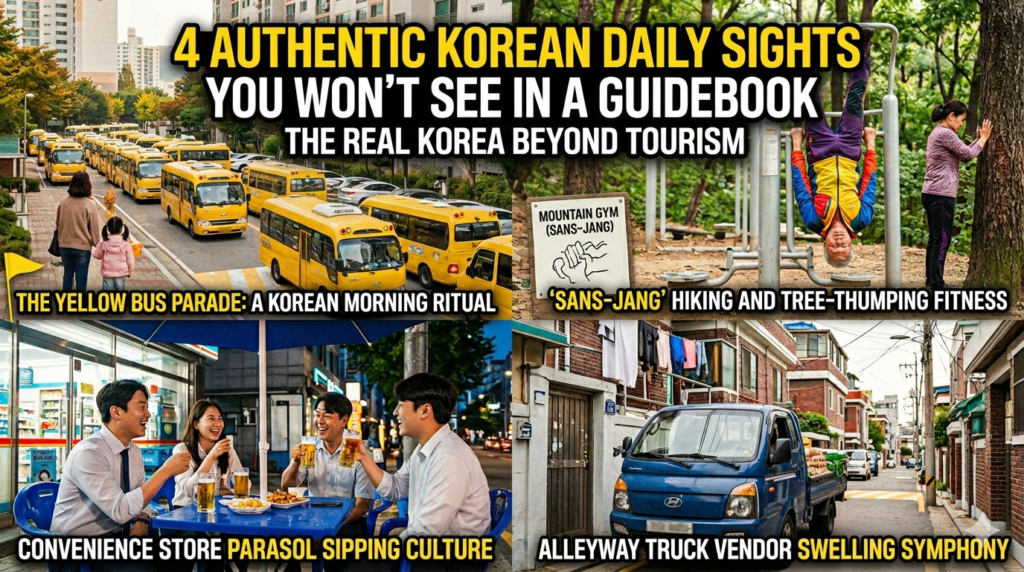
Hi everyone! This is Standard Korea, your guide to exploring the beauty and culture of South Korea. Korea is a fascinating country where cutting-edge technology meets deep-rooted traditions. However, this blend creates unique social rules and etiquette that might be unfamiliar to travelers.
While Koreans are generally very forgiving of foreigners, showing respect for local customs will earn you even warmer hospitality. Today, we’ve categorized the most important “Don’ts” in Korea into four key areas to help you navigate your journey smoothly.
1. Dining Etiquette: Respect at the Table
In Korea, sharing a meal is more than just eating; it’s a way to bond and show respect.
🍚 Do Not Lift Your Rice Bowl
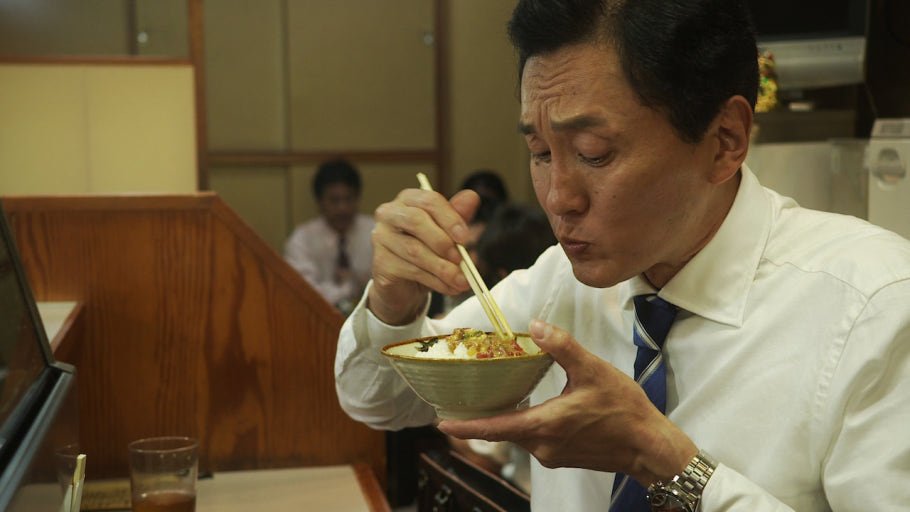
In neighboring countries like Japan or China, it is common to lift the rice bowl closer to your mouth. However, in Korea, the bowl should remain on the table, and you should use a spoon to eat. Lifting the bowl is often seen as unrefined or overly rushed.
🥢 Do Not Stick Your Chopsticks Vertically into Rice
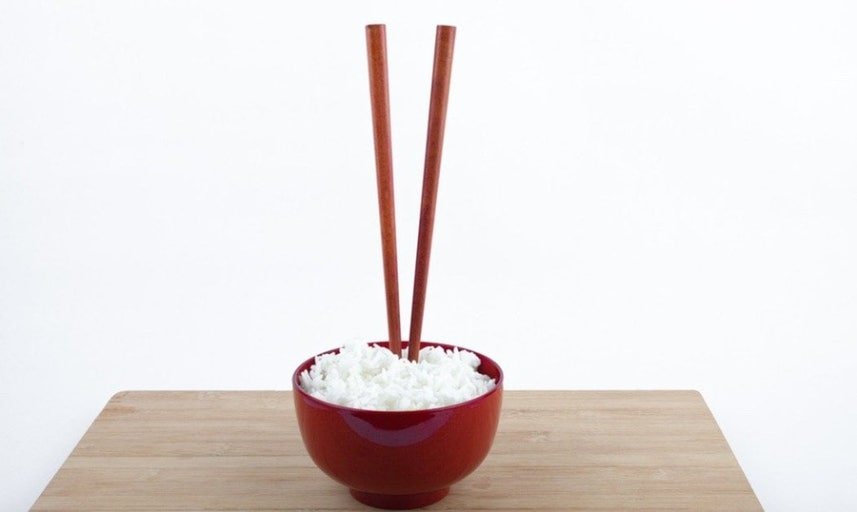
When you take a break from eating, never stick your chopsticks straight up into your bowl of rice. This action strongly resembles ancestral funeral rites, where incense or chopsticks are offered to the deceased. Doing this at a regular meal is considered very bad luck and disrespectful. Instead, place them on a chopstick rest or horizontally on the side of your plate.
🍶 Do Not Leave Your Glass on the Table While Receiving a Drink
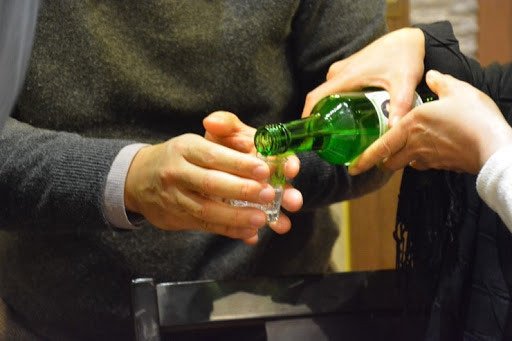
Korean drinking culture is all about sharing. When someone offers to pour you a drink, you should hold your glass with both hands. If you are drinking with someone older or of higher status, using two hands is a must to show respect. Also, avoid “self-pouring” (filling your own glass); it’s customary to wait for someone else to fill yours and vice versa.
2. Public Spaces and Transportation: The Art of Consideration
Korea is a densely populated society that values “Nunchi” (the art of sensing others’ feelings) and public order.
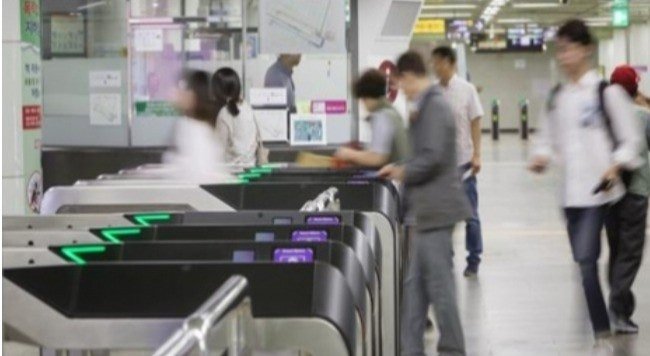
🚇 Do Not Sit in Priority Seats (Even if they are empty!)
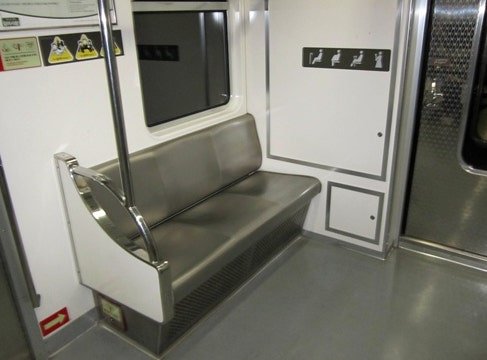
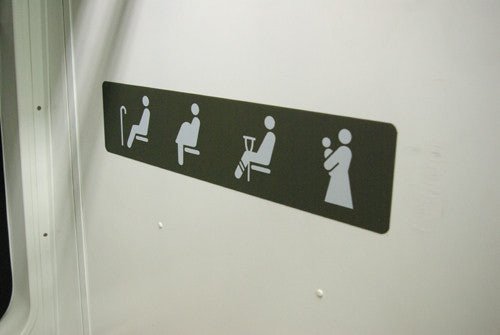
On subways and buses, you will see seats marked in pink or yellow for the elderly, disabled, or pregnant women. Unlike in some countries where anyone can sit there until someone in need arrives, in Korea, these seats are strictly reserved. Even if the train is crowded and the seat is empty, it is an unwritten rule for younger people to leave them vacant.
🤫 Keep Your Voice Down in Public
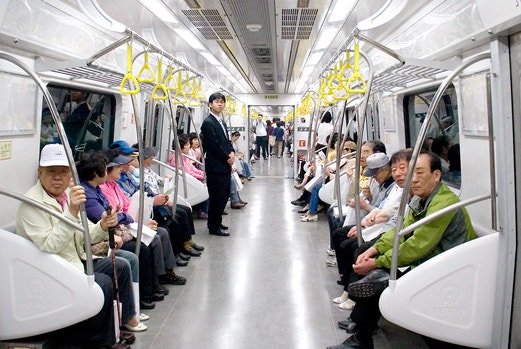
Korean public transport is generally very quiet. Talking loudly on the phone or shouting to a friend is considered “Min-pye” (a nuisance). If you need to take a call, keep it brief and quiet, and always use headphones when watching videos.
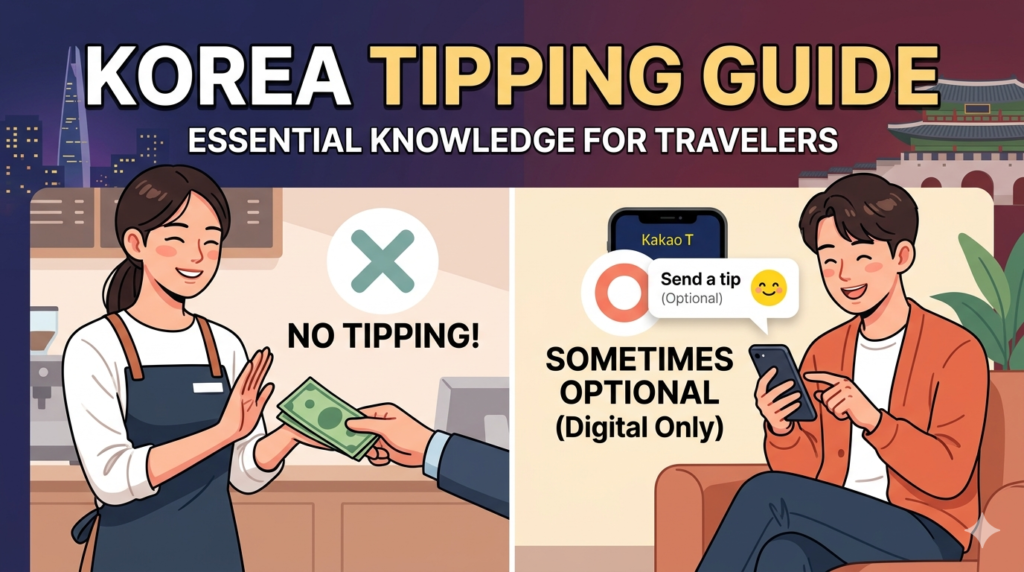
🙅 Do Not Tip

This is a common mistake for Western travelers. In Korea, the service charge is already included in the price. There is no tipping culture in restaurants, taxis, or hotels. Tipping might actually confuse staff, who may chase after you thinking you accidentally left your change behind!
3. Social Taboos: Small Gestures with Big Meanings
Small actions can sometimes carry heavy historical or cultural weight in Korea.
✍️ Do Not Write Names in Red Ink

Historically, writing a person’s name in red ink was associated with death or records of the deceased. While the younger generation views this as a mere superstition, many Koreans still feel instinctively uncomfortable seeing their name written in red. Stick to black or blue ink to be safe!
👟 Take Off Your Shoes Indoors
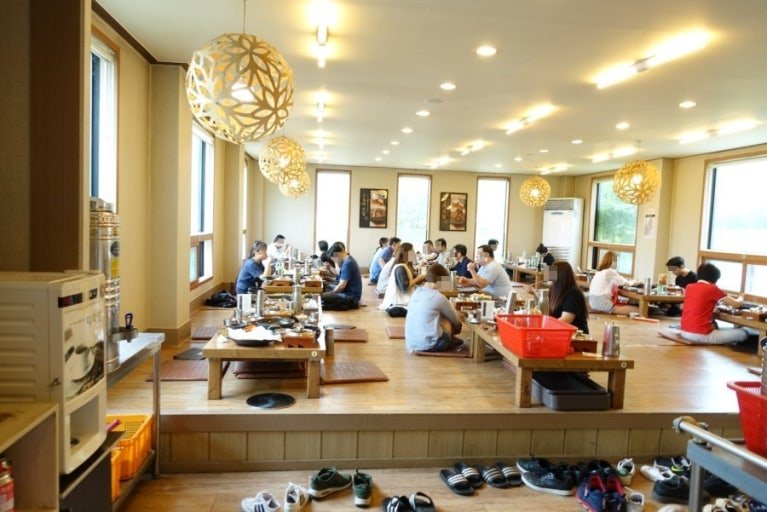
Influenced by the “Ondol” (underfloor heating) culture, Koreans spend a lot of time on the floor. You must take off your shoes when entering a home, and even in some traditional restaurants or guesthouses. Wearing shoes inside is seen as bringing dirt into a sacred living space.
🖐️ Do Not Give or Receive Items with Only One Hand
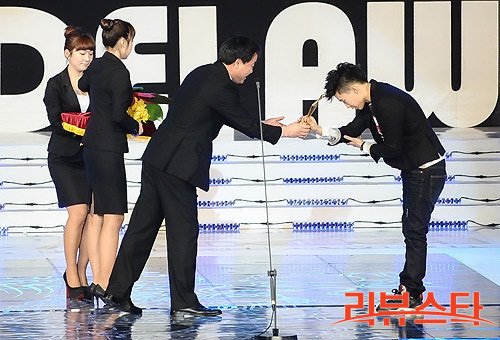
Etiquette is reflected in your posture. Giving or receiving money, business cards, or gifts with one hand can come across as dismissive. Always use two hands. A polite way to do this is to hold the item with your right hand while lightly supporting your right forearm or chest with your left hand.
4. Physical Contact and Body Language
🙅 Avoid Excessive Physical Contact
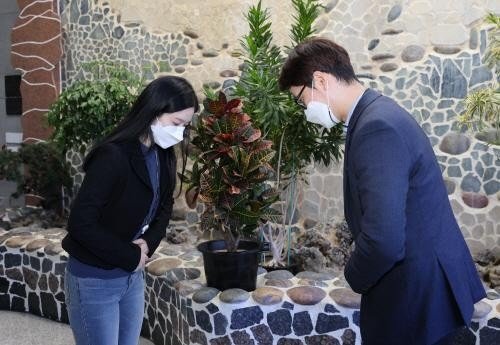
Koreans generally do not use hugs or cheek kisses as a greeting, especially upon first meeting. Touching someone’s shoulder or head can be seen as intrusive. A polite bow (Mok-rye) and a friendly smile are the best ways to greet people.
☝️ Do Not Point with Your Finger
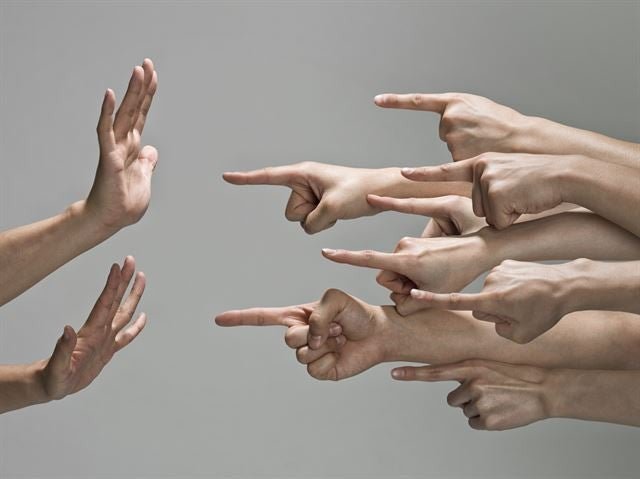
Pointing a finger directly at a person can feel aggressive or rude. When giving directions or referring to someone, it is much more polite to use your entire palm to gesture toward them.
💡 Final Thoughts
Korean culture might seem complex at first, but it is all rooted in one thing: showing respect for others. By keeping these simple tips in mind, you will find your interactions with locals much more rewarding and meaningful.
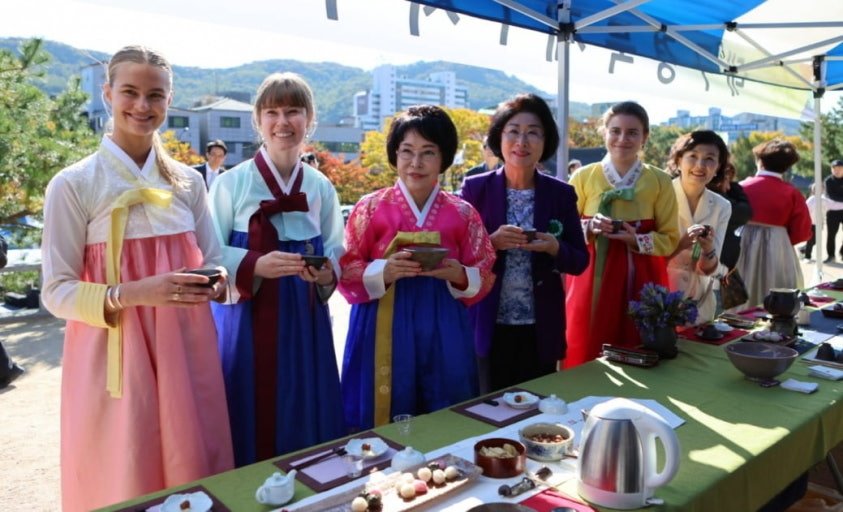
If you have any questions about Korean culture or are planning a trip, feel free to leave a comment below!