South Korea is famous for its high-quality medical services. However, if you are a traveler or a short-term resident without Korean National Health Insurance (NHI), the system and costs might seem confusing. Here is everything you need to know to get medical help without breaking the bank.
1. Types of Medical Institutions in Korea
In Korea, medical facilities are divided into three levels. Choosing the right one can save you both time and money.
① Clinics (Uiwon – 의원)

These are local, neighborhood doctors (Internal Medicine, ENT, Dermatology, etc.).
- Best for: Cold, flu, stomach ache, minor injuries, or skin rashes.
- Wait time: Usually short (walk-ins are common).
- Estimated Cost: 30,000 ~ 60,000 KRW (Consultation only).
② General Hospitals (Jonghap-byeongwon – 종합병원)
Larger facilities with multiple departments and advanced equipment.
- Best for: When you need specialized tests (X-ray, Ultrasound) or a follow-up from a clinic.
- Wait time: Longer; appointments are highly recommended.
- Estimated Cost: 70,000 ~ 150,000 KRW (Consultation only).
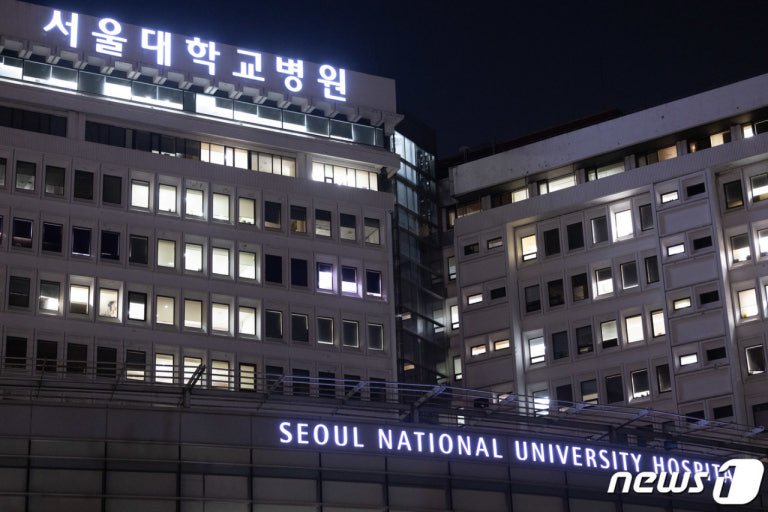
③ University/Tertiary Hospitals (Sanggeup-jonghap-byeongwon)
The highest level of care (e.g., SNU Hospital, Asan Medical Center, Severance).
- Best for: Serious illnesses or surgeries.
- Note: These often have an International Clinic with English-speaking staff, but costs are significantly higher for non-insured patients.
2. Estimated Costs for Non-Insured Foreigners
Without NHI, you will pay the “General/Non-insured” rate, which is typically 3 to 5 times higher than what locals pay.
| Service Type | Estimated Cost (KRW) | Notes |
| Standard Consultation | 30,000 – 60,000 | At a local clinic |
| Blood Test / X-ray | 50,000 – 150,000 | Varies by complexity |
| ER Visit (Basic) | 150,000 – 300,000 | Before any tests or treatments |
| MRI Scan | 600,000 – 1,000,000 | High-end diagnostic imaging |
| Pharmacy Medication | 10,000 – 30,000 | 3-5 days of standard pills |
3. Emergency Situations: Calling 119
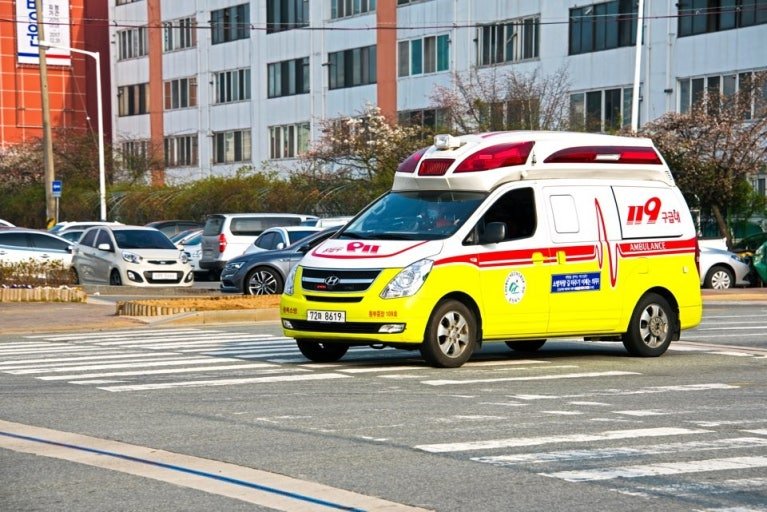
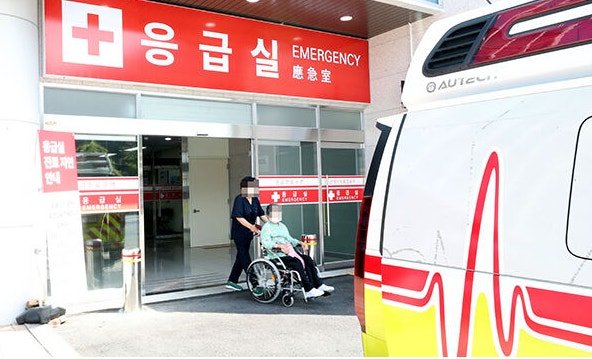
- Ambulance is Free: In Korea, dialing 119 for an emergency ambulance is free of charge, even for foreigners.
- ER Caution: Only visit the Emergency Room for true emergencies. If you go to an ER for a minor cold at night, you may be charged an “Emergency Medical Management Fee” (approx. 60,000 – 100,000 KRW) on top of your treatment.
4. Essential Tips for International Visitors
✅ Bring Your Passport
You must present your passport at the reception desk to register as a patient.
✅ Travel Insurance is a Must
Korean medical costs are reasonable compared to the US, but a sudden surgery or hospitalization can cost thousands of dollars. Always keep your Medical Report and Itemized Bill in English to claim your insurance later.
✅ Visit a Pharmacy (Yak-guk) First
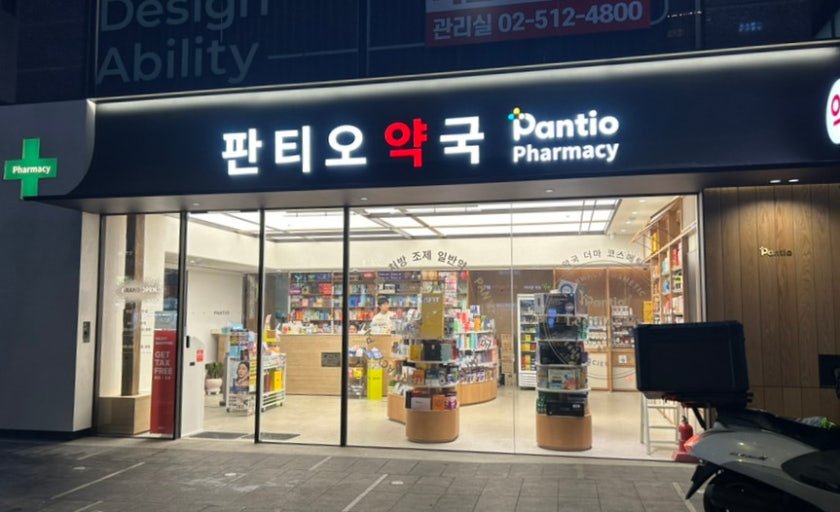
For minor issues like headaches, indigestion, or light muscle pain, go to a pharmacy first. You can buy “Over-the-Counter” (OTC) meds for 3,000 ~ 7,000 KRW without a doctor’s prescription.
✅ Translation Help: Dial 1330
If you are at a hospital and cannot communicate, call the Korea Travel Hotline (1330). They provide 24/7 medical interpretation over the phone for free.
🆘 Summary for Travelers
“For a simple cold, visit a local Clinic during the day. It will cost around 50,000 – 80,000 KRW including medicine. For emergencies, call 119. For everything else, call 1330.”
❓ Frequently Asked Questions (FAQ)
Q1: Can I buy medicine at a pharmacy without a prescription? A: Yes, for minor issues like headaches, cold symptoms, or indigestion, you can buy “Over-the-Counter” (OTC) drugs directly from a pharmacy (Yak-guk). However, for stronger medications like antibiotics, you must visit a doctor first to get a professional prescription.
Q2: Do doctors in Korea speak English? A: Most doctors in Korea have a good understanding of medical English. However, communication might be smoother at International Clinics in large university hospitals. If you are at a local clinic and need help, you can call the 1330 Korea Travel Hotline for free interpretation services over the phone.
Q3: Is the 119 ambulance service really free for foreigners? A: Yes, emergency ambulance services provided by the fire department (119) are free of charge for everyone in South Korea, including international visitors. Please note that you will still be responsible for the medical costs incurred once you arrive at the hospital’s emergency room.
Q4: Should I bring my physical passport to the hospital? A: Yes, it is highly recommended to bring your original passport. The hospital needs it to register your personal information correctly in their system. If you don’t have it, a clear photo of your passport on your phone may sometimes be accepted, but the physical document is always safer.