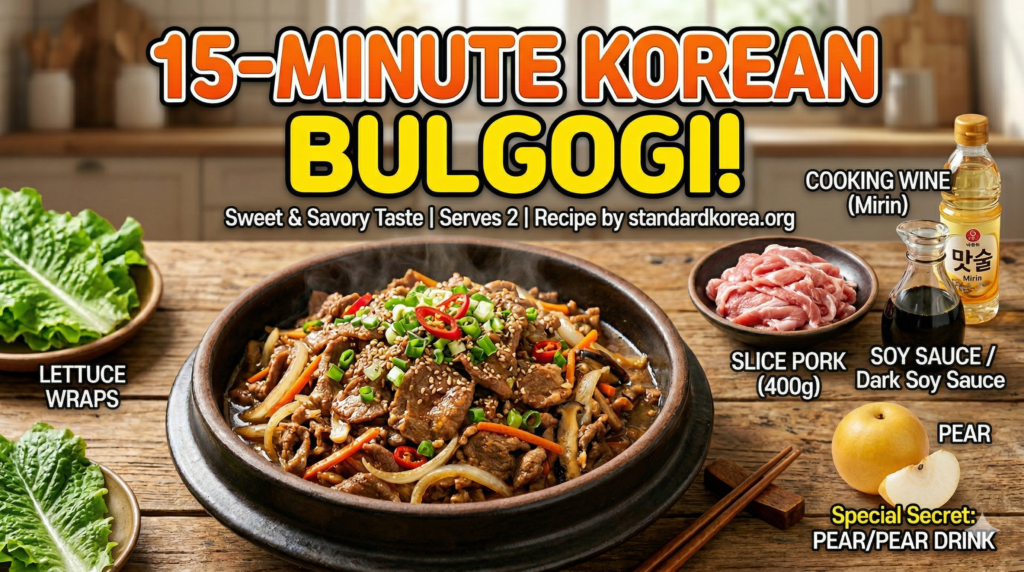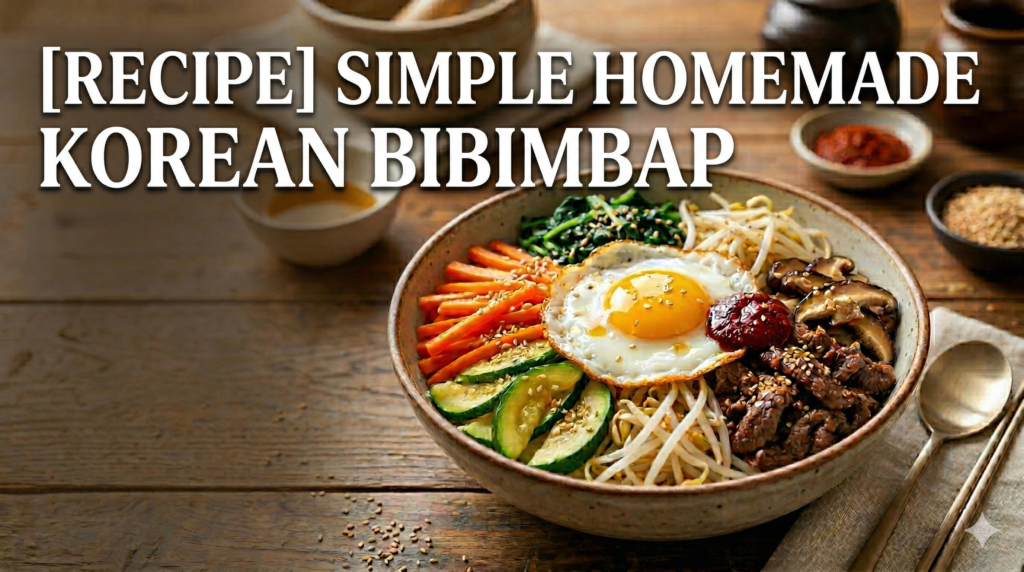
When we think of Korean food, global favorites like Kimchi, Bibimbap, and Korean Fried Chicken immediately come to mind. But if you dive deeper into the local markets and traditional kitchens of Seoul, you’ll encounter ingredients that might make you tilt your head in confusion.
For Koreans, these are nostalgic “soul foods,” but for the rest of the world, they are often considered “shocking” or even “forbidden.” Today, we’re exploring 5 ingredients that are almost exclusively consumed in South Korea. Let’s see how many of these you’d be brave enough to try!
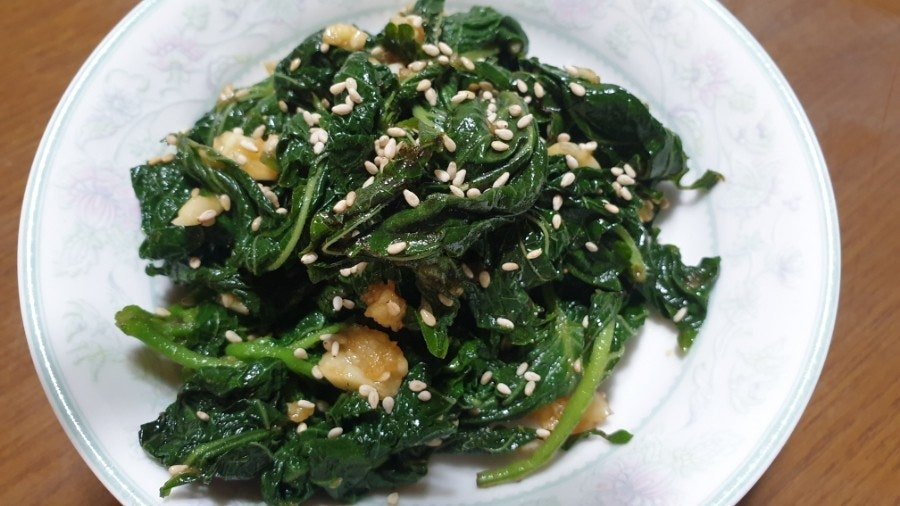
1. Perilla Leaves (Kkaen-nip): “The Korean Cilantro”
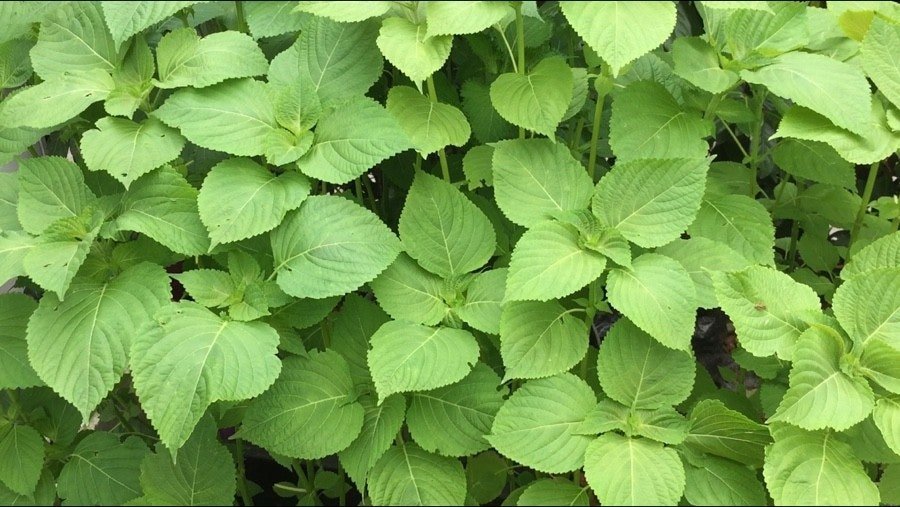
If you see a heart-shaped, jagged leaf on a Korean BBQ table, you’ve found the Perilla Leaf. While it belongs to the mint family, its flavor profile is entirely unique.
- The Shock Factor: To many foreigners, the scent is polarizing. Some describe it as “earthy” or “nutty,” while others find it as pungent as soap or toothpaste. In the West, these are often grown as ornamental plants rather than food.
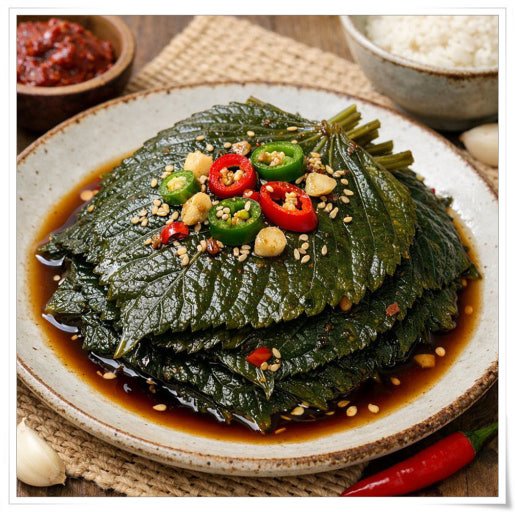
- The Korean Way: We use them as “wraps” (Ssam) for grilled pork or pickle them in soy sauce (Kkaen-nip Jangajji). It’s the ultimate palate cleanser that cuts through the grease of heavy meats.
- Fun Fact: Just as some people have a genetic aversion to cilantro, the strong aroma of perilla is a “love it or hate it” experience for global foodies!
2. Korean Melon (Cham-oe): The Melon You Eat with Seeds
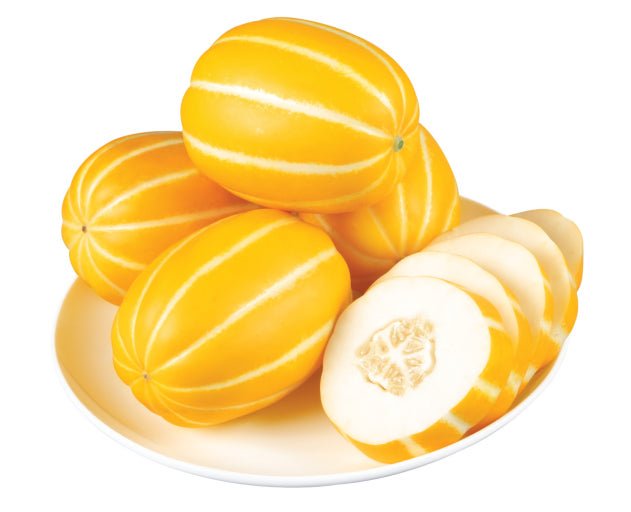
Walk into any Korean grocery store in the summer, and you’ll see piles of bright yellow, striped melons. This is the Cham-oe, or the Korean Melon.
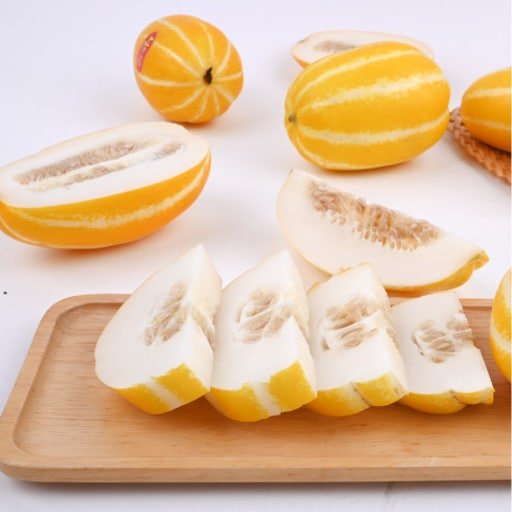
- The Shock Factor: Most people are taught to scoop out the seeds of a cantaloupe or honeydew. In Korea, we do the exact opposite. The white, fluffy part surrounding the seeds (called Tae-jwa) is actually the sweetest part of the fruit!
- The Korean Way: We peel the thin yellow skin but keep the inside intact. It’s crunchy like a cucumber but sweet like a pear.
- Why It’s Unique: While other melons are common worldwide, this specific variety is almost exclusively grown and consumed in the Korean peninsula, earning its official English name: “Korean Melon.”
3. Sea Squirt (Mi-der-deok): The “Ocean Dynamite”
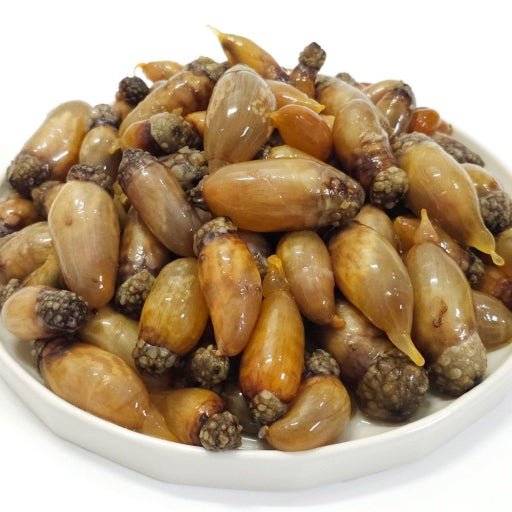
If you’re eating a spicy Korean seafood stew (Haemul-jjim), you might find a small, bumpy, brown nugget. Be careful—this is a Mi-der-deok, and it’s a tiny flavor bomb.
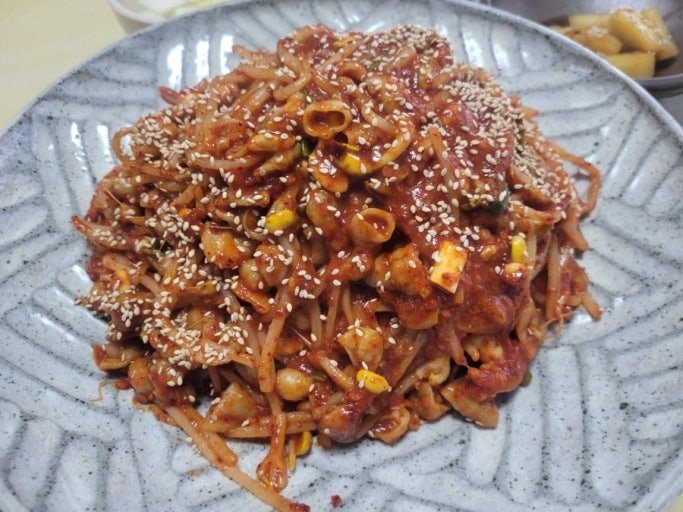
- The Shock Factor: When you bite into it, it literally “explodes,” releasing a jet of hot, salty seawater and juice. The texture is rubbery on the outside and crunchy on the inside. Most foreigners find the sensation… startling, to say the least.
- The Korean Way: We cherish that “burst” of ocean flavor. It’s packed with umami and is known to be incredibly healthy, filled with Taurine (great for liver recovery!).
- The Challenge: Don’t swallow it whole! You’re supposed to chew it to release the juice, enjoy the fragrance, and then either spit out or swallow the tough skin depending on your preference.
4. Sea Snails (Gol-baengi): The UK’s Best Export
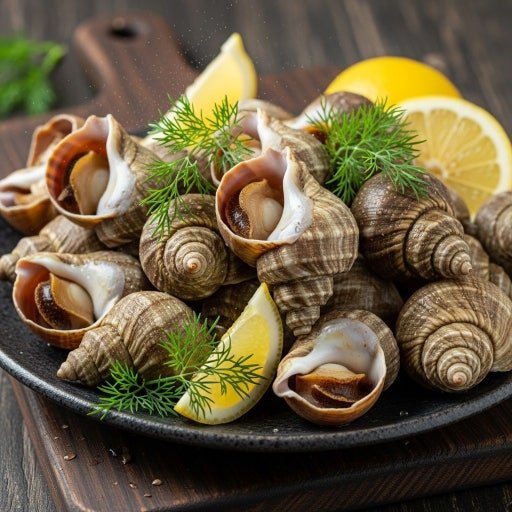
Did you know that South Korea consumes over 80% of the world’s supply of sea snails?
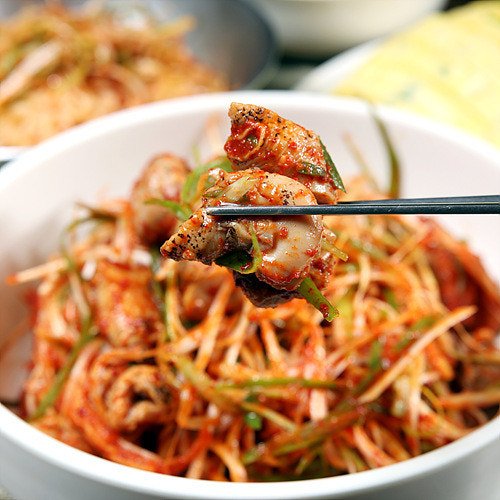
- The Shock Factor: While the French have Escargot, the idea of eating canned sea snails as a casual pub snack is quite foreign to many. In fact, fishermen in the UK and Ireland used to throw these back into the sea until they realized Koreans were willing to buy every single one of them!
- The Korean Way: We mix them with spicy gochujang sauce, fresh scallions, and thin wheat noodles (Gol-baengi Somyeon). It is the undisputed king of “Anju” (food eaten with alcohol).
- Why You’ll Love It: If you like the chewy texture of calamari or clams, you’ll actually love Gol-baengi. It’s high-protein, low-fat, and surprisingly addictive.
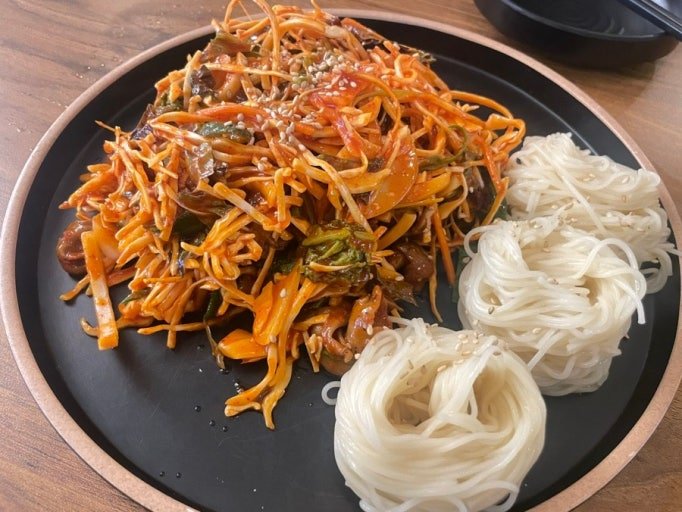
5. Acorns (Do-tori): Squirrel Food or Superfood?

In most parts of the world, acorns are strictly for squirrels or livestock. But in Korea, we’ve turned them into a sophisticated, silky jelly called Do-tori-muk.
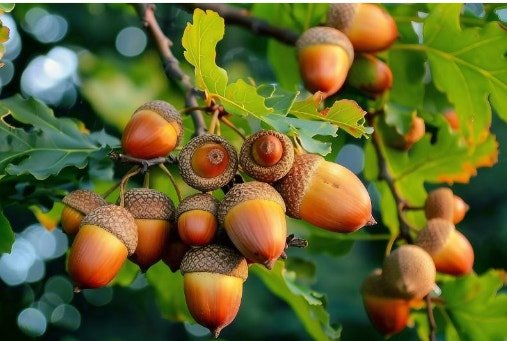
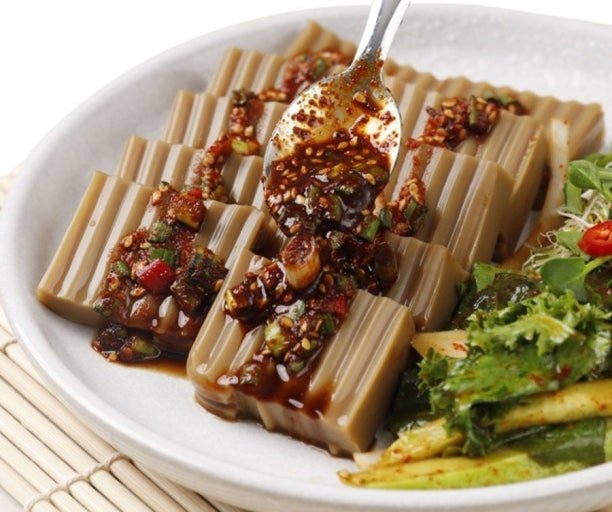
- The Shock Factor: The idea of processing bitter nuts from an oak tree into a dessert-like jelly (that isn’t sweet) is a major “wow” moment for many visitors.
- The Korean Way: The acorns are ground into powder, soaked to remove the bitterness (tannins), and boiled into a jelly. We serve it cold with a savory soy-garlic dressing.
- The Health Benefit: It’s a fantastic “diet food” because it’s almost zero calories and helps detoxify the body. It’s the perfect example of Korean “Wellness Food” born from historical wisdom.
Which one would you try? 😋
Korean cuisine is so much more than just BBQ and Kimchi. It’s a world of unique textures and “learned” flavors that tell the story of a culture that knows how to find beauty (and taste!) in the most unexpected places.
Now it’s your turn! Which of these 5 ingredients sounds the most “shocking” to you? Or have you already tried one? Let me know in the comments below! 👇